The Real Cost of Feeling Disconnected From Yourself | Therapist in Orange County
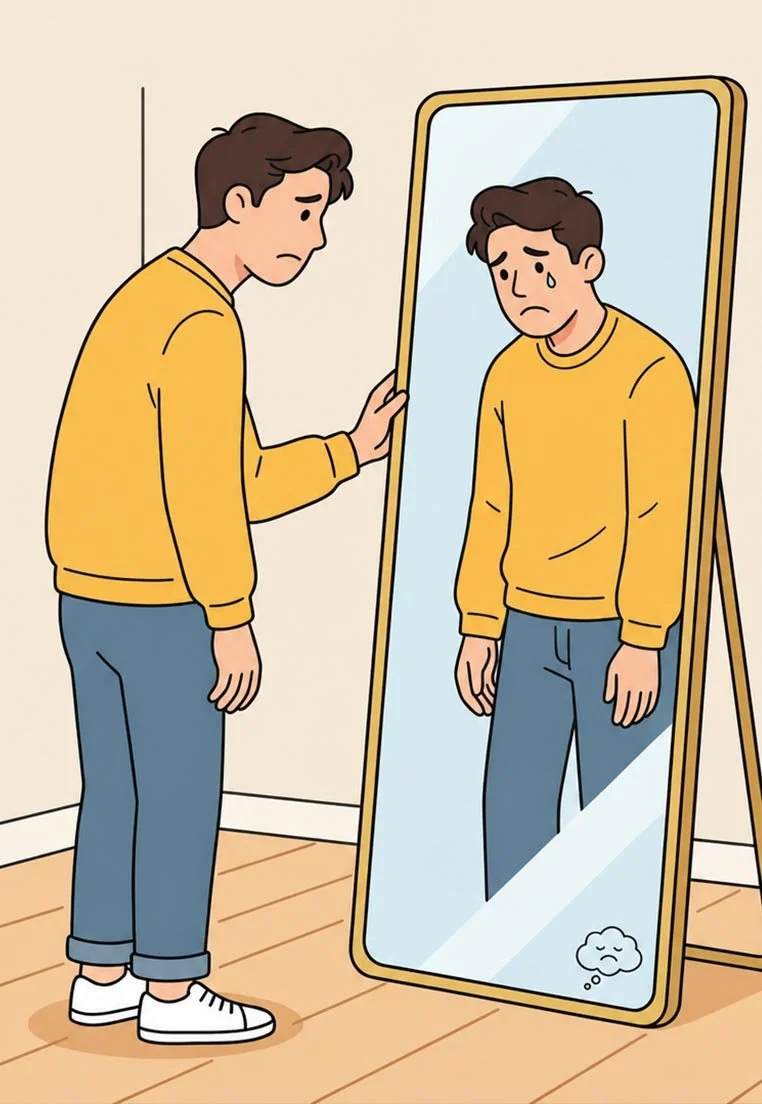
When you don’t recognize yourself.
There are times when life can look like it is working from the outside. Responsibilities are being handled, routines are in place, and things may appear steady or even successful. At the same time, something can feel off internally in a way that is difficult to explain.
For many people, this experience is less about a clear problem and more about a quiet sense of disconnection. It can show up as feeling distant from yourself, unsure of what you want, or going through the motions without the same sense of clarity or engagement that used to be there.
A lot of the people I work with are not falling apart. They are functioning, showing up, and continuing to move forward. At the same time, they feel disconnected from themselves in a way that is hard to name but difficult to ignore.
If you are considering working with a therapist in Orange County, it can be helpful to understand not just what this disconnection feels like, but the real cost of staying in it over time.
What Disconnection From Yourself Can Look Like
Disconnection does not always appear in obvious ways. It is often subtle at first and can develop gradually.
You might notice that:
You feel less engaged in things that used to matter
Decisions feel harder or less clear
You spend more time in your head trying to figure things out
There is a sense of going through the motions rather than feeling present
In many cases, people are still meeting expectations and handling their responsibilities. Because of that, it can be easy to overlook or minimize what is happening internally.
The Cost Is Not Always Immediate
One of the reasons disconnection can continue for a long time is that the cost is not always immediate or obvious.
You may still be functioning at a high level. Work gets done. Relationships continue. Life moves forward. From the outside, there may be no clear indication that anything is wrong.
Over time, though, the internal experience can begin to shift. There may be less clarity, less motivation, or less connection to what feels meaningful. Things that once felt straightforward can start to feel heavier or less certain.
This is often when people begin to realize that something is not working, even if they cannot fully explain why.
When You Start to Lose a Sense of Direction
As disconnection continues, it can begin to affect your sense of direction.
You may find yourself questioning decisions more than usual or feeling unsure about what you want. Even when options are available, it can be difficult to feel confident in choosing a path.
This is not because you are incapable of making decisions. It is often because the internal reference point that helps guide those decisions feels less accessible.
When you are disconnected from yourself, it becomes harder to trust your own judgment in a consistent way.
The Impact on Relationships
Disconnection from yourself doesn't stay contained to how you feel internally. It tends to show up in how you relate to the people closest to you.
When you're not fully in touch with what you're feeling or what you need, it becomes harder to communicate that to a partner, a friend, or a family member. You might find yourself going through the motions in conversations, agreeing to things you don't fully want, or feeling present physically while somewhere else mentally.
Over time, the people who love you may sense that something has shifted, even if they can't name it either. They might describe you as distant, distracted, or harder to reach — not because you've stopped caring, but because the part of you that used to show up fully has gotten quieter.
This is often one of the harder costs to see clearly, because the relationship itself may still look functional from the outside. But a slow erosion of closeness is still an erosion — and it's usually one of the clearest signs that reconnecting with yourself isn't just personal work. It affects everyone around you too.
Why It’s Easy to Stay in This Pattern
Once disconnection sets in, it can be surprisingly comfortable to stay there. Functioning at a reasonable level doesn't create the same urgency a crisis would. There's no single moment that forces you to stop and address what's happening, so the pattern can continue for months or years without ever feeling like an emergency.
There's also often a quiet fear that slowing down enough to actually feel what's going on might make things harder to manage, not easier. Staying busy, staying capable, staying "fine" can feel safer than sitting with whatever the disconnection is covering.
None of this means something is wrong with you for staying in it. It usually means the pattern is doing what it was built to do — helping you keep moving when stopping felt like it wasn't an option. The issue isn't that you found a way to cope. It's that the coping has quietly become the whole strategy.
Reconnecting With Yourself
Reconnection is not about forcing yourself to feel differently or quickly finding the “right” answer. It is about creating space to understand what has been happening beneath the surface.
This often involves slowing down and paying attention in a different way. It means noticing patterns, understanding emotional responses, and beginning to make sense of how your experience has developed over time.
For many people, this process allows a sense of clarity and steadiness to return gradually. It is less about fixing something and more about reconnecting with something that has been there but less accessible.
What Changes in Therapy
Working with a therapist in Orange County can provide a space where this kind of reconnection becomes possible.
Therapy is not about forcing insight or creating immediate change. It is about building understanding in a way that feels grounded and manageable. Over time, that understanding can lead to shifts in how you relate to yourself, your decisions, and your relationships.
Rather than continuing to move forward while feeling disconnected, therapy allows you to reconnect with a clearer sense of who you are and what matters to you.
Taking the Next Step With a Therapist in Orange County.
If something feels off but is difficult to explain, it does not mean you are imagining it or that it is not important. Often, that sense of disconnection is worth paying attention to.
Working with a therapist in Orange County can be a way to explore what has been happening without needing to have everything figured out in advance. A consultation can offer a starting point to see if this kind of work feels like a good fit.
Over time, reconnecting with yourself can lead to a greater sense of clarity, direction, and steadiness in your life. Call me at 657-333-2725 and let’s get started.
About the Author
Dr. Don Campbell is a licensed psychologist serving adults throughout Orange County. He works with individuals who feel overwhelmed, disconnected, or stuck, often navigating anxiety, depression, trauma, low motivation, disillusionment, and issues related to self worth. Many of the people who seek him out are thoughtful and self aware, even if they are not always sure how to put into words what feels off or heavy.
Dr. Campbell’s approach to therapy is warm, collaborative, and grounded. He believes meaningful change begins with feeling understood and respected, not rushed or judged. Therapy with him is a space to slow down, make sense of what is happening beneath the surface, and move toward greater clarity, steadiness, and self trust at a pace that feels supportive.
If you are considering working with a therapist in Orange County, you can learn more about his approach or schedule a free 15 minute consultation through his website.
