Why You Shut Down in Relationships Even When You Care | Therapist in Orange County
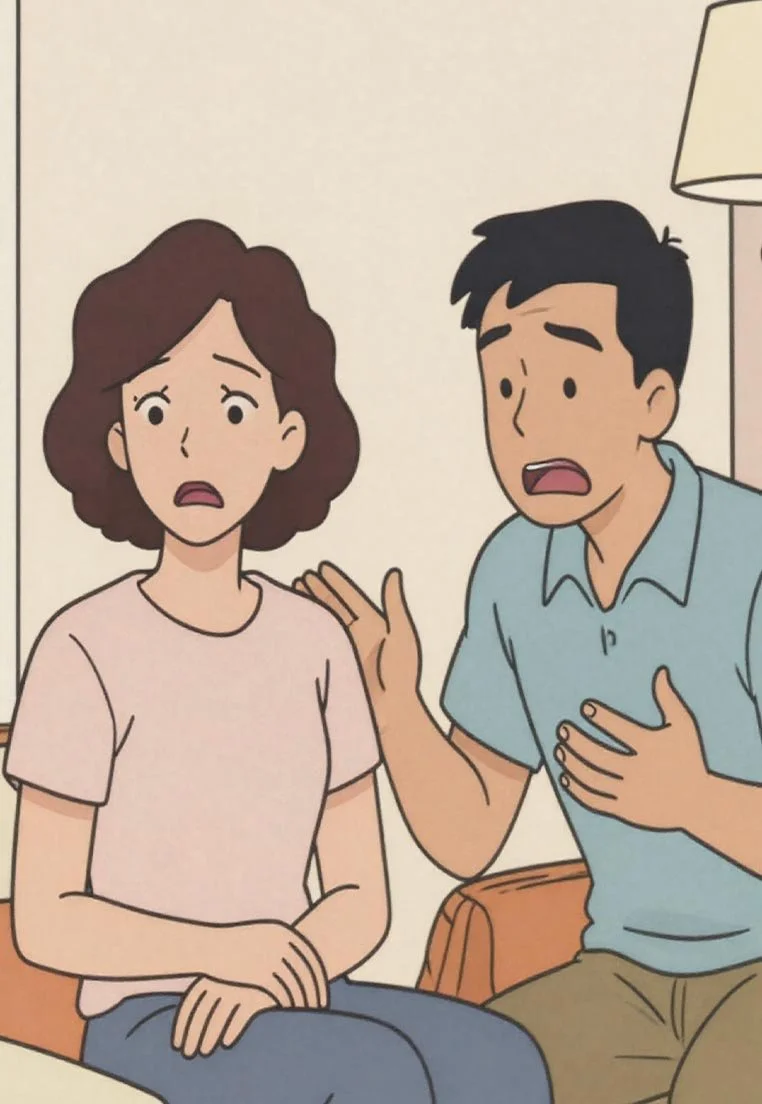
Shutting down in relationships doesn’t mean you don’t care — it often means you care too much. A therapist in Orange County can help you understand the pattern and stay more connected.
You know exactly what you want to say. And then — nothing. Someone you care about brings something up, the air shifts, and you just… go quiet. Not because you don’t care. If anything, because you care too much and don’t trust what’s going to come out.
From the outside, it looks like you checked out. From the inside, it’s the opposite.
You’re not gone. You’re actually very present — running through everything that could go wrong if you open your mouth. So you don’t. And somehow, that silence ends up doing the damage you were trying to prevent.
If you’ve noticed this pattern in yourself, you’re not alone — and it doesn’t mean something is broken. It usually means something makes a lot of sense, once you understand what’s actually driving it.
Shutting Down Is Often Trying to Protect Something
Most people assume that going quiet in a relationship is a sign of not caring, checked-out, emotionally unavailable. Sometimes that’s true. But more often — especially for the people I work with — the shutdown is actually an act of caution.
You pull back because you’re worried about saying the wrong thing. About escalating. About making the other person feel worse than they already do. So instead of risking it, you go silent.
That’s not indifference. That’s actually a form of care — a clumsy one, maybe, but care nonetheless. The problem is that the person on the other end doesn’t see the internal deliberation. They just see the wall.
The Pressure of Trying to Get It Right
Here’s what’s happening inside when you shut down: there’s a lot going on at once. You’re tracking what the other person is feeling. You’re evaluating your own response before it even forms. You’re trying to find the version of what you want to say that won’t land badly.
That’s a lot of processing for a moment that’s already charged. And the more pressure you feel to respond ‘correctly,’ the harder it becomes to respond at all. So you say nothing. Which feels safer. Which also feels terrible.
Over time, silence becomes the default — not because you want distance, but because staying engaged started to feel like a minefield.
What It Does to the Relationship Over Time
Every once in a while, shutting down doesn’t do much damage. Relationships can handle a quiet moment.
But when it becomes a consistent pattern, the other person starts filling in the blank — and they usually fill it with the worst interpretation. They’re not interested. They don’t want to be here. They don’t care.
Meanwhile, you’re on the other side feeling completely misread. You were trying to protect the relationship, and somehow it’s being used as evidence that you’re checked out of it.
That gap — between your intention and their experience — is where a lot of disconnection quietly grows.
It’s Not Just a Communication Problem
Here’s the thing that trips people up: they try to fix this by working on their communication. They read books. They practice phrases. They tell themselves to just speak up next time.
And then next time comes, and they shut down again.
That’s because the pattern isn’t really about communication. It’s about what’s happening inside — the uncertainty about what you’re actually feeling, the fear of getting it wrong, the disconnection from your own internal experience that makes it hard to show up clearly in someone else’s.
When you don’t have access to yourself, it’s really hard to be accessible to someone else. That’s not a character flaw. It’s just what happens when something underneath hasn’t been looked at yet.
What Actually Starts to Shift
Change in this area doesn’t usually come from pushing yourself to talk more. It comes from understanding what’s happening in the moments when you go quiet.
What are you afraid will happen if you speak? What are you trying to protect — them, you, the relationship? What does the silence feel like it’s doing for you, even if it’s also costing you something?
When you start to understand those things, the shutdown starts to lose its grip. Not because you’ve forced yourself to be different, but because you’ve actually made sense of it. And that’s a completely different experience
What Therapy Creates Space For
One of the things therapy is genuinely useful for is slowing this down in a setting where the stakes aren’t high. You’re not in the middle of a charged conversation with someone you love. You’re in a room where you can actually look at what’s happening underneath, without needing to get it right in real time.
Working with a therapist in Orange County can help you understand the patterns that have been driving the shutdown — where they came from, what they’ve been trying to do, and what becomes possible when you start to relate to them differently.
The goal isn’t to become someone who always says the right thing. It’s to become someone who can stay present — with yourself first, and then with the people who matter to you.
Taking the Next Step With a Therapist in Orange County
If you recognize yourself in this, it doesn’t mean something is wrong with you. It usually means you’ve been trying to navigate something carefully, even if it hasn’t been landing the way you intended.
You don’t need to have it figured out to start. A free 15-minute consultation is just a conversation — a chance to see whether this kind of work feels like a fit, without any pressure to commit.
If you’re in Orange County — or anywhere in California — I’d be glad to connect.
About the Author
Dr. Don Campbell is a licensed psychologist serving adults throughout Orange County. He works with individuals who feel overwhelmed, disconnected, or stuck — often navigating anxiety, depression, trauma, low motivation, disillusionment, and issues related to self-worth. Many of the people who seek him out are thoughtful and self-aware, even if they’re not always sure how to put into words what feels off or heavy.
Dr. Campbell’s approach to therapy is warm, collaborative, and grounded. He believes meaningful change begins with feeling understood and respected — not rushed or judged. Therapy with him is a space to slow down, make sense of what’s happening beneath the surface, and move toward greater clarity, steadiness, and self-trust at a pace that feels supportive.
If you’re considering working with a therapist in Orange County, you can learn more about his approach or schedule a free 15-minute consultation through his website.
